Deuteronomy — Read All Chapters Online
Deuteronomy, whose name means second law, gathers Moses' closing speeches as he reviews the Sinai covenant for the generation about to enter the Promised Land. Its call to wholehearted love for God, expressed in the Shema of chapter 6, became the greatest commandment Jesus later cited. Begin at Deuteronomy chapter 1.
About Deuteronomy
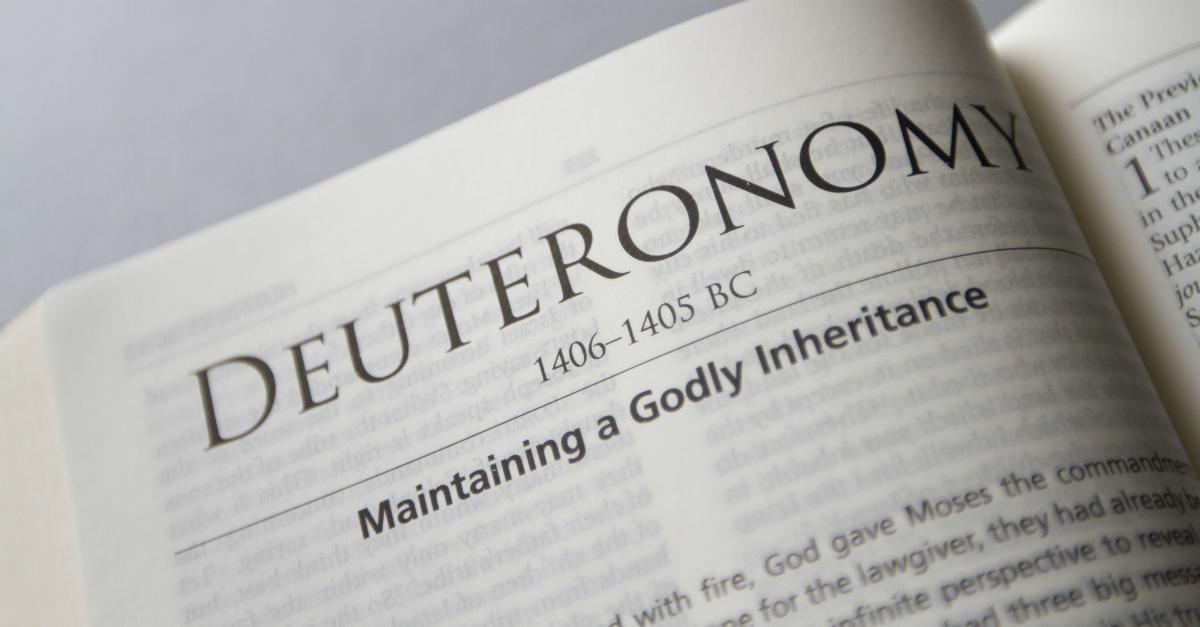
Deuteronomy is the fifth and final book of the Pentateuch, written by Moses around 1406 BC and spanning 34 chapters. The name means second law, reflecting Moses' lengthy farewell speeches in which he reviews, interprets, and applies the Sinai covenant to the new generation about to enter Canaan. Major themes include wholehearted love for God, covenant faithfulness, the blessings of obedience, the curses of disobedience, and the call to remember God's mighty acts of deliverance. Key chapters include Deuteronomy 6 (the Shema -- Hear, O Israel), Deuteronomy 28 (the blessings and curses), and Deuteronomy 34 (Moses' death on Mount Nebo). Among the most famous verses are Deuteronomy 6:4-5 -- Hear, O Israel: The Lord our God, the Lord is one. Love the Lord your God with all your heart and with all your soul and with all your strength -- which Jesus called the greatest commandment. Deuteronomy KJV was Jesus' primary resource when resisting Satan's temptations in the wilderness, quoting it three times in Matthew 4. Deuteronomy Bible read online resources reveal a God who passionately desires loving relationship with His people, not mere outward compliance to rules. The book concludes with the remarkable tribute that no prophet has risen in Israel like Moses, whom the Lord knew face to face. Read the Book of Deuteronomy online here in full.
Frequently Asked Questions
Who wrote Deuteronomy and what does its name mean?
What is the structure of Deuteronomy?
What is the Shema, and why does it matter?
How does Deuteronomy connect to the story of Jesus in the Gospels?
How does Deuteronomy end?
How does Deuteronomy relate to the earlier books of the Pentateuch?
Today's Verse
And he said, Lay not thy hand upon the lad, neither do thou anything unto him. For now I know that thou fearest God, seeing thou hast not withheld thy son, thine only son, from me.
Verse Of The Day