Logo - Feel The Words

Leviticus Chapters - CHIUN Bible

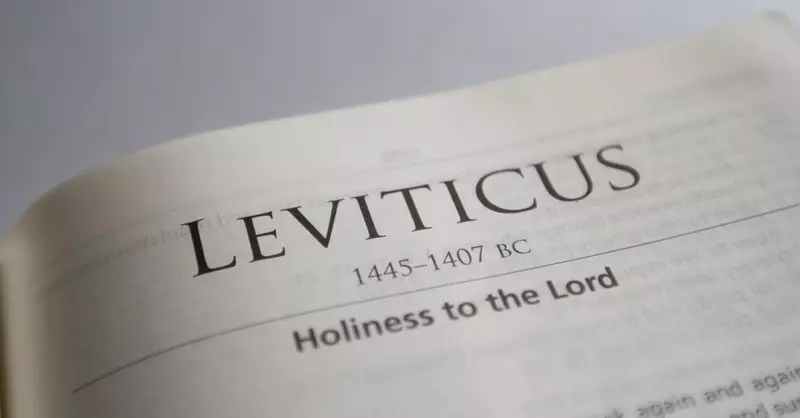
Leviticus is the third book of the Bible and the handbook of holiness for the nation of Israel, written by Moses. It details the laws of sacrifice, the priesthood, the feasts of the Lord (Passover, Pentecost, Tabernacles), and God's call to holy living. While it may seem technical, Leviticus Bible chapters reveal God's desire for His people to be set apart from sin and the principles of atonement that find their ultimate fulfillment in the sacrifice of Jesus Christ. The command to "love your neighbor as yourself" (Lev. 19:18) originates here.

Leviticus Chapters - CHIUN Bible

About Leviticus

Leviticus is the third book of the Bible, written by Moses around the 15th century BC and spanning 27 chapters. It served as the ceremonial and moral handbook for the nation of Israel, detailing the sacrificial system, the duties of the Aaronic priesthood, the dietary laws, the Day of Atonement, the seven annual feasts of the Lord, and God's repeated call to holiness. Major themes include atonement, sanctification, the holiness of God, the cost of sin, and the cleansing power of blood sacrifice -- all of which find their ultimate fulfillment in Jesus Christ. Key chapters include Leviticus 16 (the Day of Atonement), Leviticus 19 (the law of love), and Leviticus 23 (the feasts). Among the most significant verses are Leviticus 19:18 -- Love your neighbor as yourself -- quoted by Jesus as the second great commandment, and Leviticus 17:11 -- For the life of a creature is in the blood, and I have given it to you to make atonement. Leviticus KJV may appear dense to modern readers, but its portrait of a holy God who makes detailed provision for sinful people to approach Him is profoundly relevant. Every Levitical sacrifice points forward to the one perfect offering of Christ on the cross. Leviticus Bible read online study guides help readers navigate this vital book and uncover its deep connections to the New Testament theology of atonement. Read the Book of Leviticus online here in full.

Frequently Asked Questions

Who wrote Leviticus and what kind of book is it?
Leviticus is attributed to Moses and dated to around the 15th century BC, serving as the ceremonial and moral handbook for the newly delivered nation of Israel. It picks up directly after the tabernacle instructions given at the end of Exodus.
What topics does Leviticus cover?
The book details the sacrificial system, the duties of the Aaronic priesthood, dietary laws, the Day of Atonement, and the seven annual feasts of the Lord. Its 27 chapters are organized less as narrative and more as a manual for holy living and worship.
Why do people find Leviticus difficult to read?
Much of Leviticus consists of detailed ritual and legal instructions rather than story, which can feel technical to modern readers unfamiliar with ancient sacrificial practice. Even so, its underlying concern -- how a holy God can dwell among an imperfect people -- runs through every regulation.
What is the most well-known verse in Leviticus?
Leviticus 19:18, "Love your neighbor as yourself," is the book's most quoted verse and was later cited by Jesus as the second great commandment. Leviticus 17:11, on the life being in the blood and given for atonement, is also central to the book's theology of sacrifice.
What is the Day of Atonement described in Leviticus?
Leviticus 16 describes the Day of Atonement, the one day each year when the high priest entered the innermost part of the tabernacle to make atonement for the sins of the whole nation. This chapter's emphasis on substitutionary sacrifice is closely tied to the New Testament's description of Christ's atoning death.
How does Leviticus relate to the other books of the Pentateuch?
Leviticus sits between the tabernacle-building narrative of Exodus and the wilderness wanderings recorded in Numbers, and its holiness code is expanded further in Deuteronomy. Its opening instructions can be read in Leviticus chapter 1.

Today's Verse

but there is a God in heaven that revealeth secrets, and he hath made known to the king Nebuchadnezzar what shall be in the latter days. Thy dream, and the visions of thy head upon thy bed, are these:

Daniel 2:28 | ASV

Verse Of The Day