The Book of Joel
Joel uses a devastating locust plague as a vivid warning of the coming Day of the Lord, calling the nation to genuine repentance rather than empty ritual. Its 3 chapters move from immediate crisis to a sweeping promise that God will one day pour out His Spirit on all people. Read Joel chapter 1.
About Joel
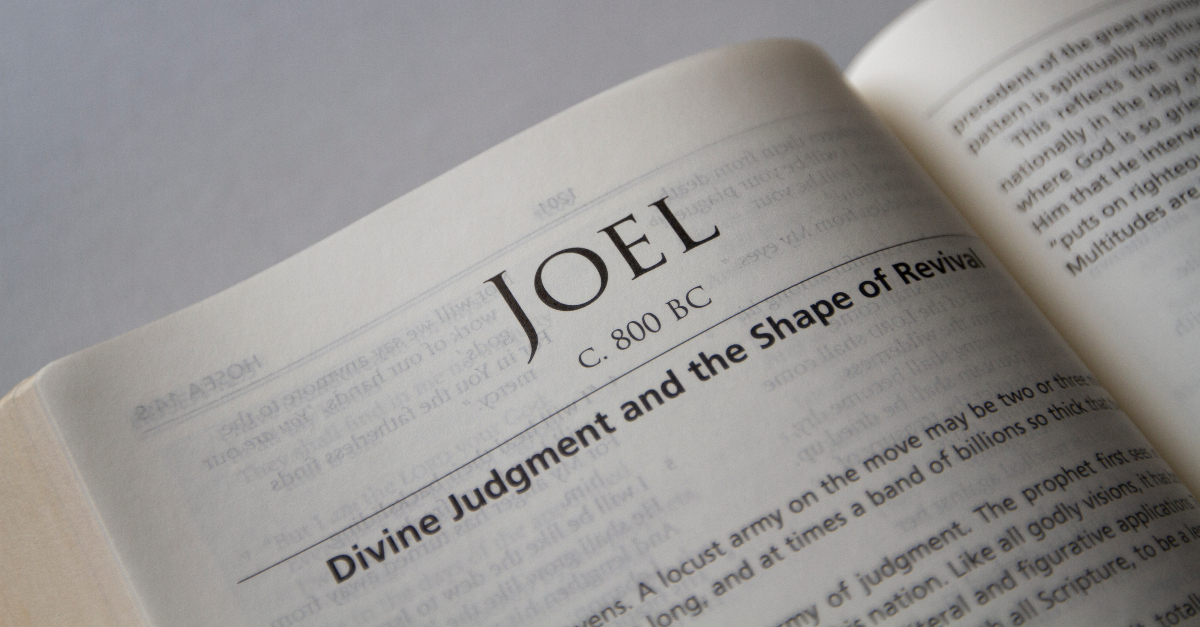
Joel is the twenty-ninth book of the Bible and the second Minor Prophet, written by Joel son of Pethuel at a date debated by scholars -- possibly as early as 835 BC or as late as the post-exilic period -- and spanning 3 chapters. The book opens with a devastating locust plague that stripped Judah bare, which Joel interprets as a foretaste of the coming Day of the Lord -- a day of divine judgment and reckoning. God calls the people to tear their hearts and not their garments in genuine repentance, promising agricultural restoration if they return to Him. The second half of the book looks beyond the immediate crisis to a glorious future Day of the Lord when God will pour out His Spirit on all flesh. Major themes include the Day of the Lord as both judgment and salvation, genuine versus superficial repentance, the future outpouring of the Holy Spirit, and God's covenant commitment to restore what has been lost. Key chapters include Joel 1 (the locust plague), Joel 2 (the call to repentance and promise of the Spirit), and Joel 3 (judgment of the nations and blessing for Israel). The most famous verse is Joel 2:28 -- And afterward, I will pour out my Spirit on all people. Your sons and daughters will prophesy -- quoted by Peter at Pentecost in Acts 2 as its fulfillment. Joel KJV Bible reading connects Old Testament hope to New Testament reality. Read the Book of Joel online here in full.
Frequently Asked Questions
Who wrote the book of Joel, and when?
Why does Joel focus on a locust plague?
What does Joel mean by 'tear your hearts and not your garments'?
How is Joel connected to the day of Pentecost?
How does Joel's message compare to other prophets of judgment?
Today's Verse
So Hannah rose up after they had eaten in Shiloh, and after they had drunk. Now Eli the priest was sitting upon his seat by the door-post of the temple of Jehovah.
Verse Of The Day