The Book of Job
Job is one of the Bible's oldest and most searching wisdom books, following a righteous man who loses everything and demands an answer from God. Across 42 chapters, poetic dialogue with three friends gives way to God's own voice from the whirlwind, refusing easy explanations for pain. Start reading from Job chapter 1.
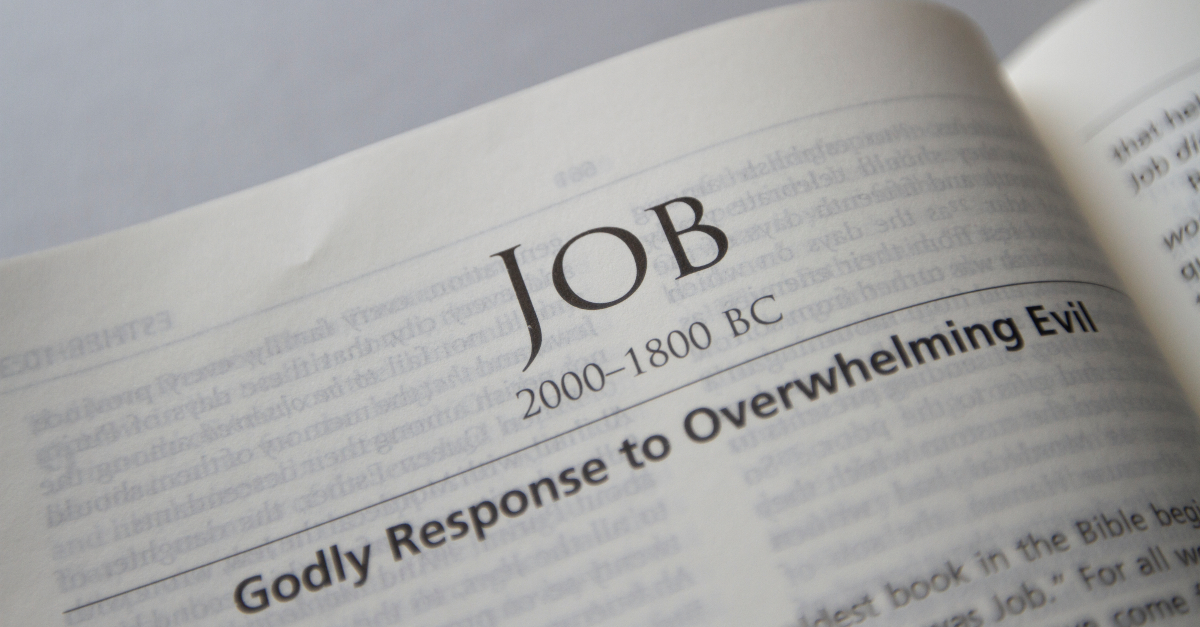
About Job
Job is the eighteenth book of the Bible and one of the oldest texts in all of scripture, composed perhaps as early as 2000 BC and spanning 42 chapters. It confronts head-on one of humanity's most agonizing questions: why do the righteous suffer? Job, a blameless and upright man in the land of Uz, loses his children, wealth, and health in rapid succession as the result of a heavenly dialogue between God and Satan. The bulk of the book consists of poetic dialogues between Job and his three friends Eliphaz, Bildad, and Zophar, who argue that Job must have sinned to deserve such suffering -- a conclusion God explicitly rejects. A young man named Elihu then speaks before God Himself answers from a whirlwind with a series of humbling questions about the mysteries of creation. Major themes include the mystery of innocent suffering, the inadequacy of simplistic theology, the importance of honest lament, the transcendence and wisdom of God, and ultimate restoration for those who trust God through pain. Key chapters include Job 1-2 (the prologue), Job 19 (Job's great declaration of faith), and Job 38-41 (God's answer from the whirlwind). Famous verses include Job 19:25 -- I know that my Redeemer lives -- and Job 1:21 -- The Lord gave and the Lord has taken away; may the name of the Lord be praised. Job KJV Bible study provides profound companionship in suffering. Read the Book of Job online here in full.
Frequently Asked Questions
Who wrote Job and when?
What question does the Book of Job explore?
What is the structure of Job?
Do Job's friends give the right explanation for his suffering?
What is the most famous verse in Job?
How does Job end?
How does Job relate to the other wisdom books of the Old Testament?
The book builds toward Job's defiant confession, "I know that my Redeemer lives," and closes with his restoration after honest lament rather than silent resignation. Its themes echo throughout the rest of the Old Testament's wisdom literature, including Psalms and Proverbs. Anyone facing unexplained suffering will find Job a strikingly candid companion.