Logo - Feel The Words

About Exodus

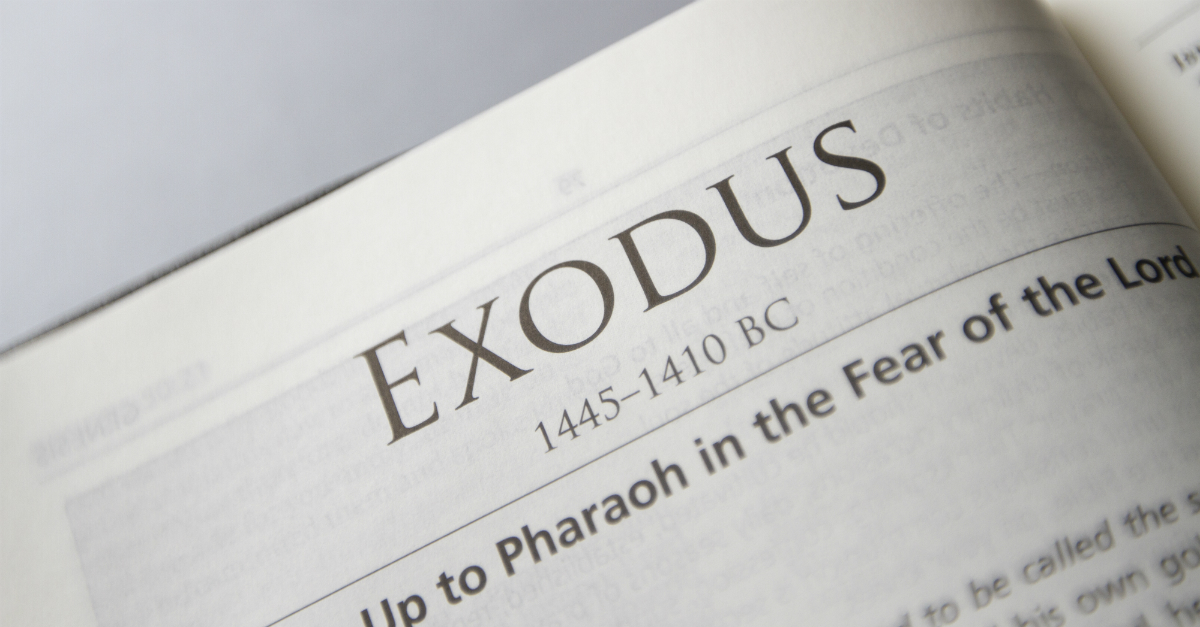
Exodus is the second book of the Bible, written by Moses and composed around the 15th century BC, spanning 40 chapters. It records one of the most dramatic events in all of human history -- the deliverance of approximately two million Israelite slaves from the mighty Egyptian empire under the leadership of Moses, whom God commissioned at the burning bush. The ten plagues, the first Passover, the crossing of the Red Sea, the giving of the Ten Commandments at Mount Sinai, and the detailed instructions for the tabernacle fill these chapters with theological richness. Major themes include redemption through substitutionary sacrifice, God's covenant faithfulness, holiness, worship, and the law as the guide for God's redeemed people. Key chapters include Exodus 3 (Moses and the burning bush), Exodus 12 (the Passover), and Exodus 20 (the Ten Commandments). Famous verses include Exodus 20:3 -- You shall have no other gods before me -- and Exodus 14:14 -- The Lord will fight for you; you need only to be still. Exodus KJV remains one of the most-read sections of the entire Bible and forms the backdrop for the New Testament's understanding of Christ as the true Passover Lamb. Studying Exodus Bible chapters online illuminates the entire framework of salvation -- deliverance from bondage, covenant relationship, and the presence of God among His people -- that runs through all of scripture. Read the Book of Exodus online here in full.

Frequently Asked Questions

Who wrote Exodus and roughly when does it take place?
Exodus is traditionally attributed to Moses and dated to around the 15th century BC, continuing directly from the family history recorded in Genesis. It narrates events unfolding over roughly a generation, from the enslavement of Jacob's descendants in Egypt to their arrival at Mount Sinai.
What is the central event of Exodus?
The book's centerpiece is Israel's deliverance from Egyptian slavery through the ten plagues, the first Passover, and the crossing of the Red Sea. This deliverance becomes the Old Testament's defining picture of redemption, referenced repeatedly in later scripture.
Why is the Passover significant in Exodus?
In Exodus 12, God instructs each Israelite household to sacrifice a lamb and mark their doorframes with its blood so the plague of death would pass over them. This event, commemorated annually afterward, later shapes the New Testament's description of Christ as the Passover Lamb.
What happens at Mount Sinai in Exodus?
At Mount Sinai, God gives Moses the Ten Commandments along with detailed instructions for building the tabernacle, the portable sanctuary where God would dwell among His people. These chapters shift the book's focus from deliverance to covenant law and worship, themes carried forward into Leviticus.
What is a famous verse from Exodus?
Exodus 20:3, "You shall have no other gods before me," opens the Ten Commandments and sets the tone for Israel's exclusive covenant relationship with God. Exodus 14:14, "The Lord will fight for you; you need only to be still," is also widely quoted as an expression of trust amid crisis.
How does Exodus connect to the books that follow it?
Exodus ends with the tabernacle completed and God's glory filling it, a scene that leads directly into the sacrificial and priestly instructions of Leviticus and the wilderness narratives of Numbers. Together with Deuteronomy, these books form the legal core of the Pentateuch.
How large is the deliverance described in Exodus, and where can I read the opening chapter?
The book describes the deliverance of a very large number of Israelite slaves, traditionally estimated at around two million, which is part of why the crossing of the Red Sea and the wilderness logistics feature so prominently in the narrative. Readers can consult the opening account in Exodus chapter 1 or compare it with Exodus in ASV.

Today's Verse

Yonder is the sea, great and wide, Wherein are things creeping innumerable, Both small and great beasts.

Psalms 104:25 | ASV

Verse Of The Day